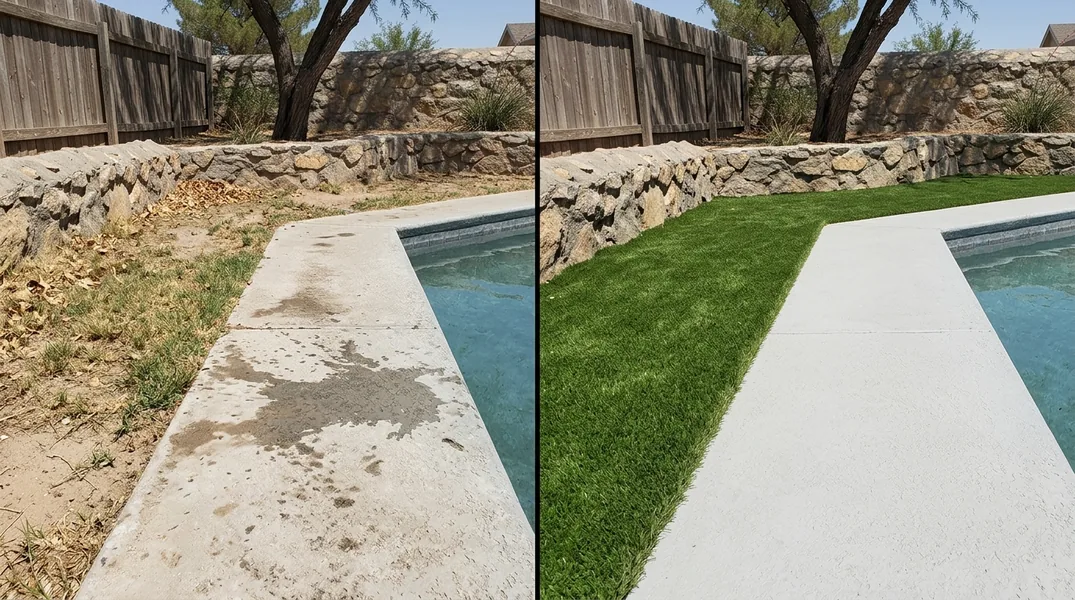
Understanding HOA Artificial Grass Rules in El Paso
If you live in a homeowners association community in El Paso, you already know that HOAs maintain specific aesthetic and property standards. One common question homeowners ask is whether artificial grass is permitted, especially in front yard applications. The answer isn't always straightforward, as rules vary significantly from one HOA to another.
Some El Paso area HOAs have embraced artificial turf as an environmentally responsible alternative to natural grass, while others maintain more traditional landscaping requirements. The key is understanding your specific HOA's guidelines before you invest time and money into a project. Many homeowners are surprised to learn that their HOA's covenants, conditions, and restrictions (CC&Rs) may address artificial grass directly, or they may fall under broader landscaping provisions that require interpretation and approval.
Why HOAs Care About Front Yard Artificial Grass
HOAs exist primarily to maintain property values and community aesthetics. A front yard is the most visible part of your home, and it contributes significantly to the overall appearance of the neighborhood. When an HOA reviews an artificial grass proposal, they're typically concerned about whether the installation will look natural, be properly maintained, and complement the community's visual character.
In the past, artificial grass had a reputation for looking plastic and artificial, which understandably concerned HOAs. However, modern artificial turf has evolved dramatically. Today's high-quality artificial grass products look remarkably similar to natural grass, with realistic color variations, texture, and pile height. This shift has made it easier for homeowners to gain HOA approval. When you work with a professional like El Paso Turf Installation, the quality of the installation itself becomes a major factor in approval decisions. An expertly installed system with proper drainage, secure edging, and realistic appearance is far more likely to satisfy HOA requirements than a DIY or low-quality installation.
HOA Submittal and Approval Process for Artificial Turf
Most HOAs require homeowners to submit a request for architectural approval before installing artificial grass. This process typically involves completing an application form, providing detailed plans or renderings of the proposed installation, and sometimes obtaining a quote from a qualified installer. The HOA architectural committee then reviews your submission to determine whether it meets community standards.
When preparing your submittal, include specific details about the artificial grass product you plan to use, including the manufacturer, pile height, color, and drainage specifications. High-resolution photos of the product, along with images showing how it will look in your front yard, strengthen your application significantly. If you're working with Residential Artificial Grass Installation professionals, many can provide detailed project specifications and product information that directly supports your HOA submittal. This documentation demonstrates that you've chosen a quality product and professional installation, which addresses the HOA's primary concerns about appearance and durability.
The approval timeline varies by HOA, but typically ranges from two to six weeks. Some HOAs may request modifications to your plan, such as adjusting the perimeter, changing the product type, or adding specific landscaping elements around the artificial turf. Be prepared to work collaboratively with your HOA committee during this phase. Clear communication and willingness to address concerns often leads to faster approvals.
Common HOA Requirements and Restrictions for Artificial Grass
While artificial grass policies vary, certain requirements appear frequently in El Paso area HOA documents. Many HOAs specify that artificial grass must appear natural and well-maintained, with no visible seams or discoloration. Some require that the product meet specific industry standards or be from approved manufacturers. Others mandate that artificial grass installations include proper drainage systems to prevent water pooling, which is particularly important in our climate.
Front yard coverage is another common restriction. Some HOAs limit artificial grass to specific areas of the front yard, such as side yards or foundation plantings, while others prohibit it in highly visible front-facing areas. A few HOAs require that at least a portion of the front yard remain as natural landscaping or hardscape. Understanding these specific restrictions before you submit your application prevents delays and rejected proposals. If your HOA's rules aren't clear, request clarification from the architectural committee in writing so you have documented guidance.
Additional requirements may include specifications about edging materials, height restrictions, or integration with existing landscaping. Some HOAs want artificial grass to be bordered by natural plants or decorative edging to soften the appearance. Others require that the installation maintain clear sight lines for security purposes. Taking time to thoroughly review your HOA documents and ask questions upfront saves frustration later in the process.
Working With Professional Installers to Meet HOA Standards
Choosing a professional installation company significantly improves your chances of HOA approval. Established local installers like El Paso Turf Installation understand the specific requirements of area HOAs and can guide you through the approval process. Professional installers bring experience with different artificial grass products, installation techniques, and aesthetic considerations that satisfy HOA committees.
When you hire professionals for Residential Artificial Grass Installation, they can provide detailed specifications, product certifications, and warranty information that strengthen your HOA submittal. They understand proper drainage installation, which is critical for HOA approval and long-term performance. Professional installation also ensures that your artificial grass looks natural and is properly secured, addressing aesthetic and durability concerns that HOAs typically raise. Many HOAs are more likely to approve projects from established, insured installers than from homeowners attempting DIY installations, as professional work is installed to a written specification.
El Paso Turf Installation can also provide references from other HOA-approved projects in your area, demonstrating a track record of meeting community standards. Before hiring any installer, verify that they're familiar with your specific HOA's requirements and willing to work with your architectural committee to ensure approval. A reputable company will be transparent about what's needed for approval and will help coordinate the process smoothly.
Next Steps: Getting Your HOA Approval and Installation Started
Ready to move forward with artificial grass in your front yard? Start by reviewing your HOA's CC&Rs and architectural guidelines carefully. Look for specific language about artificial turf, landscaping standards, and the approval process. If the rules aren't clear, contact your HOA management company or architectural committee for guidance. Ask whether artificial grass is permitted, what specific requirements apply, and what documentation you'll need to submit.
Once you understand your HOA's requirements, reach out to El Paso Turf Installation at (915) 348-3704 to discuss your project. Our team can review your HOA guidelines, recommend appropriate products and installation approaches that meet community standards, and help prepare documentation for your submittal. We'll work with you to ensure your artificial grass installation not only meets HOA approval but also looks beautiful and performs reliably for years to come. Contact us today for a free estimate and let's get your front yard transformation started.
Looking for a professional artificial grass installation company in El Paso? El Paso Turf Installation responds fast for all your artificial grass installation needs.
Get a Free Quote