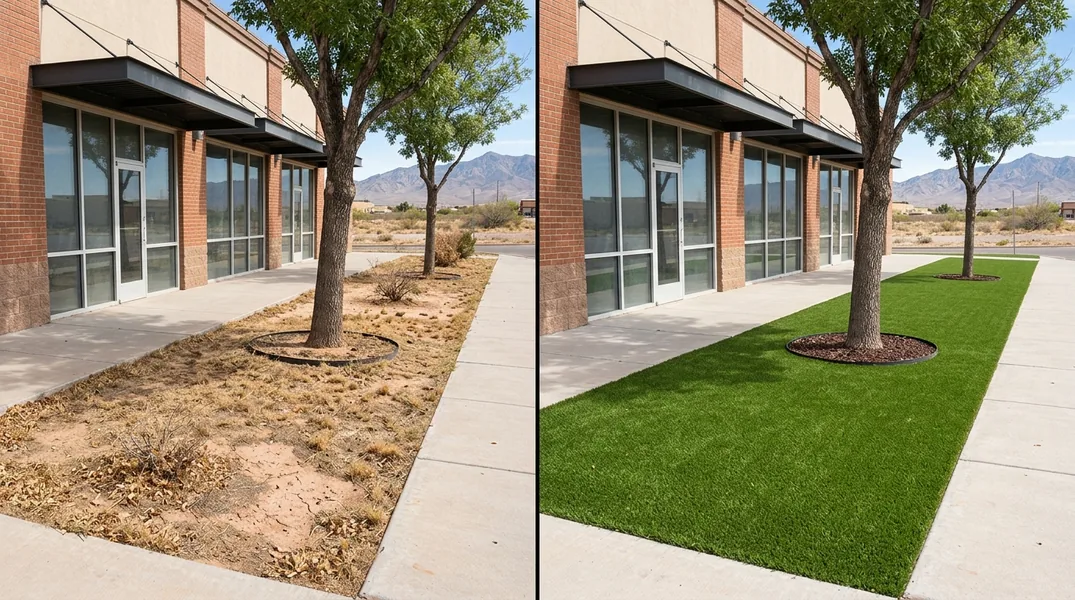
Does Artificial Grass Really Get Too Hot in El Paso?
If you live in El Paso, you already know our summers are intense. Temperatures regularly exceed 95 degrees Fahrenheit, and the desert sun shows no mercy. So it's a fair question: does artificial grass get uncomfortably hot under those conditions? The short answer is yes, but the longer answer is more nuanced and depends on several factors.
Artificial turf does absorb and retain heat more readily than natural grass because it lacks the cooling effect of soil moisture and living plant transpiration. Studies have shown that synthetic turf surfaces can reach temperatures 40 to 60 degrees Fahrenheit higher than the ambient air temperature on hot days. In El Paso, where summer highs regularly push past 100 degrees, this means your artificial grass could theoretically reach surface temperatures of 140 to 160 degrees Fahrenheit or higher. That's genuinely hot, and it's a legitimate concern for families with children, pets, and anyone who wants to enjoy their outdoor space comfortably.
However, this doesn't mean artificial grass is a poor choice for our region. Modern installation practices, strategic design choices, and advanced infill materials have made it entirely possible to manage artificial turf temperature effectively. The key is understanding the problem and implementing the right solutions from the start.
How Artificial Turf Temperature Affects Your Family and Pets
The heat factor matters most when you consider how your family will actually use the space. Children playing barefoot on scorching turf will quickly retreat indoors, which defeats the purpose of investing in a beautiful outdoor area. Similarly, if you have pets, excessive turf temperature can be uncomfortable or even unsafe for their paws. Dogs are particularly sensitive to hot surfaces, and a yard that's too hot becomes unusable during peak daylight hours.
Beyond comfort, there's also the question of durability. While quality artificial grass is designed to withstand heat, prolonged exposure to extreme temperatures can accelerate wear and degradation over time. The backing and adhesives used in installation can be affected by sustained heat stress, potentially shortening the lifespan of your investment. This is especially important to consider if you're planning Pet Turf & Dog Run Installation, where the turf will receive heavy use from animals who are active throughout the day.
The good news is that these concerns are entirely manageable with proper planning and the right materials. When you work with experienced installers who understand Residential Artificial Grass Installation in our climate, they'll recommend solutions that address these issues proactively rather than reactively.
Cooling Infill: The Game Changer for Artificial Turf Heat Management
The most effective solution to managing artificial turf heat is selecting the right infill material. Traditional infill options like crumb rubber or sand are affordable but offer minimal cooling benefits. In contrast, modern cooling infill products are specifically engineered to reflect heat and reduce surface temperature significantly. These materials work by using lighter colors and reflective properties to bounce solar radiation away from the turf rather than absorbing it.
Cooling infills typically reduce surface temperature by 15 to 30 degrees Fahrenheit compared to standard infill materials, which is a substantial improvement for El Paso summers. Some premium cooling infills incorporate silica-based compounds or recycled materials with superior reflective properties. These products are more expensive than traditional options, but for families planning to use their yard actively during summer months, the investment pays dividends in comfort and usability.
When you request a free estimate from El Paso Turf Installation, be sure to ask specifically about cooling infill options and their impact on your project's overall pricing. Our team can explain the differences between infill materials and help you choose the solution that best fits your budget and lifestyle needs.
Strategic Shade and Design Solutions to Keep Your Turf Cooler
Beyond infill selection, the physical design of your outdoor space plays a crucial role in managing temperature. One of the most effective approaches is incorporating shade structures strategically throughout your yard. Pergolas, shade sails, umbrellas, and even mature trees can dramatically reduce the amount of direct sunlight hitting your artificial grass during peak afternoon hours. If you're planning a comprehensive yard renovation, consider positioning these elements to shade the areas where your family spends the most time.
Another design consideration involves water features or reflective surfaces positioned to cool the surrounding area through evaporation and light reflection. Some homeowners have found success with light-colored hardscaping or pavers placed strategically around turf areas, creating zones of cooler ground that feel more comfortable underfoot. If you're installing Pool Surround Turf, the proximity to water already provides some natural cooling benefits, and the shade from the pool structure itself helps manage turf temperature.
Proper drainage and ventilation during installation also contribute to temperature management. When artificial grass is installed with adequate air circulation beneath the surface, it stays cooler than poorly ventilated installations. This is another reason why working with experienced local installers matters. They understand how to optimize your specific yard's microclimate and drainage patterns to support cooler turf temperatures year-round.
Choosing the Right Artificial Grass Blade for Heat Resistance
Not all artificial grass is created equal, and the quality and type of synthetic blade you choose directly impacts heat absorption and overall performance. Premium artificial grass products are manufactured with UV-resistant materials and lighter color options that naturally reflect more heat than darker, lower-quality alternatives. When shopping for turf or consulting with installers, look for products with high UV stability ratings and consider light green or tan colorations over darker shades.
The blade height and density also influence how the turf performs in extreme heat. Taller blades with proper density can create a slightly cooler microclimate at the surface level because the air spaces between blades allow for better air circulation. Conversely, very dense, short-bladed turf can trap heat more effectively. Your installer should discuss these characteristics and recommend blade types specifically chosen for performance in desert climates like ours.
Quality matters significantly when it comes to long-term durability under heat stress. Budget artificial grass may be tempting initially, but it's more likely to degrade, discolor, or develop backing issues when exposed to sustained high temperatures. Investing in premium turf from the outset means your yard will remain attractive, functional, and comfortable for many years of El Paso summers.
Maintenance Tips to Keep Your Artificial Grass Cooler Throughout Summer
Even with the best installation and materials, ongoing maintenance practices can help manage turf temperature during our hottest months. Regular rinsing with water cools the surface temporarily and also helps remove dust and debris that can trap additional heat. Many homeowners in El Paso find that a quick spray-down during the early morning or late evening provides noticeable relief and makes the yard more comfortable for evening activities.
Keeping your turf clean and free from heavy debris ensures that cooling infill materials can function as intended. Fallen leaves, excessive dust, or other accumulation can insulate the surface and reduce the effectiveness of reflective materials. A regular maintenance routine that includes brushing and light cleaning helps maintain optimal temperature performance throughout the summer season.
Finally, consider your usage patterns strategically. While artificial grass doesn't require the watering that natural lawns do, taking advantage of early morning or late evening hours for outdoor activities naturally avoids peak heat times. This simple scheduling approach, combined with shade structures and quality installation, makes artificial turf a fully enjoyable option even in our intense desert climate.
If you're ready to explore how artificial grass can work for your family's needs and climate concerns, contact El Paso Turf Installation today at (915) 348-3704 or visit our website to schedule your consultation. We're here to answer your questions about heat management, infill options, and everything else you need to know about creating a beautiful, comfortable outdoor space.
Looking for a professional artificial grass installation company in El Paso? El Paso Turf Installation responds fast for all your artificial grass installation needs.
Get a Free Quote